

What does collision coverage pay for?
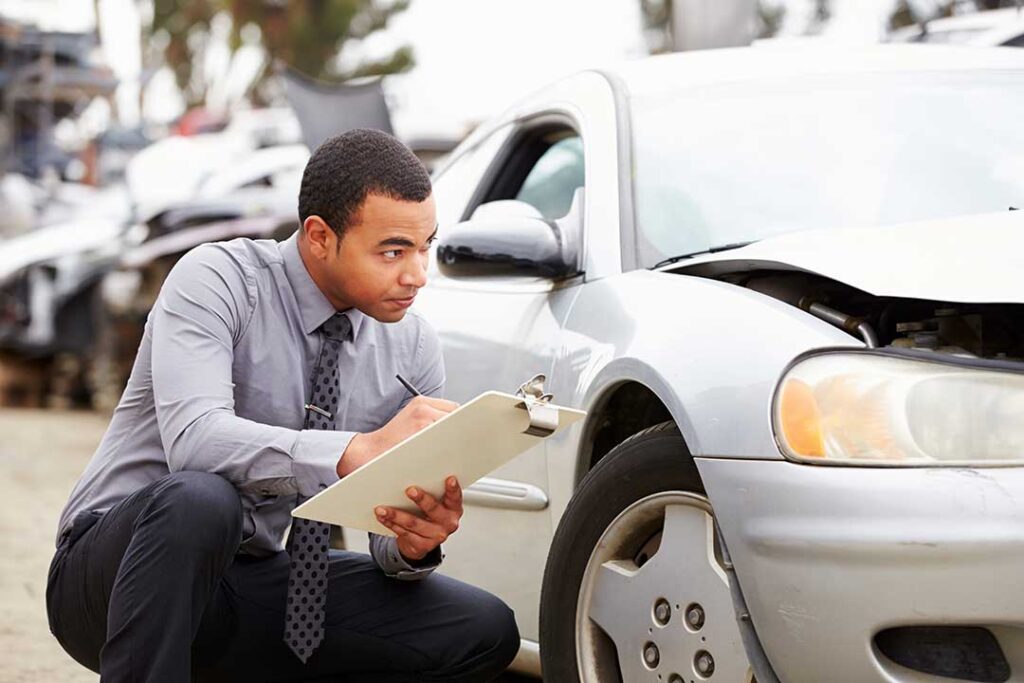
Collision coverage helps pay to repair or replace your own vehicle after it collides with another vehicle or object. It generally applies whether you caused the crash, another driver caused it, or fault has not yet been settled.
Common examples include:
- Hitting another vehicle at an intersection
- Striking a parked car
- Running into a guardrail, fence, sign, or building
- Crashing into a tree or utility pole
- Damaging the vehicle in a rollover
- Losing control on a wet roadway and hitting an object
Collision coverage is different from liability insurance. Liability property-damage coverage pays for damage you cause to someone else’s vehicle or property. Collision coverage is designed for damage to the vehicle listed on your own policy.
In Arkansas, liability insurance is required for vehicles operated on public roads, but collision coverage is optional under state law. A lender or leasing company may still require it as a condition of financing or leasing a vehicle.
How does a collision deductible work?
A deductible is the amount you pay toward a covered claim before the policy pays the remaining eligible repair cost.
For example, if repairs cost $5,000 and the collision deductible is $1,000, the policy may pay up to $4,000, assuming the damage is covered and no other policy limits apply. The deductible is usually paid to the repair facility or accounted for when the claim is settled.
Common deductible amounts include $250, $500, $1,000, and higher amounts. A lower deductible generally results in a higher premium, while a higher deductible may reduce the premium. The practical question is whether the selected deductible is affordable after a crash.
A claim that costs less than the deductible may not produce an insurance payment. If a vehicle has a $1,000 deductible and the repair estimate is $700, the policyholder would generally pay the entire repair bill.
Does collision coverage pay if another driver caused the crash?
It can, but the way the claim is handled may differ.
If another driver is legally responsible and has sufficient liability insurance, a claim may be made against that driver’s property-damage liability coverage. If the other driver is uninsured, underinsured, or cannot be identified after a hit-and-run, other parts of an auto policy may become relevant depending on the policy terms.
A driver can also use personal collision coverage to repair the vehicle, subject to the deductible. The insurer may later seek reimbursement from the responsible party or that party’s insurer. This process is often called subrogation. If money is recovered, the policyholder may be entitled to recovery of some or all of the deductible, depending on the circumstances.
Fault is not always immediately clear after a crash. Police reports, photographs, witness information, vehicle damage, traffic conditions, and statements from the drivers may all be considered during claim handling.
What is not covered by collision insurance?
Collision coverage is limited to damage resulting from a collision or rollover. It generally does not cover every type of vehicle loss.
Damage from these events is usually associated with comprehensive coverage instead:
- Hail, wind, or falling tree limbs
- Theft or attempted theft
- Vandalism
- Fire
- Flooding
- Falling objects
- Contact with an animal, such as a deer
For example, a vehicle damaged by hail during a severe storm in the Little Rock area would typically involve comprehensive coverage, not collision coverage. A vehicle that slides on a rain-slick road and strikes a concrete barrier would generally involve collision coverage because the damage resulted from an impact.
Personal belongings inside the vehicle are also usually handled under a homeowners or renters policy rather than collision coverage. Coverage can vary, so the policy language controls.
What happens if the car is totaled?
An insurer may declare a vehicle a total loss when repairing it is not economically practical or when the damage meets a legal or policy threshold. The exact standard can depend on the vehicle’s value, repair cost, salvage value, and applicable requirements.
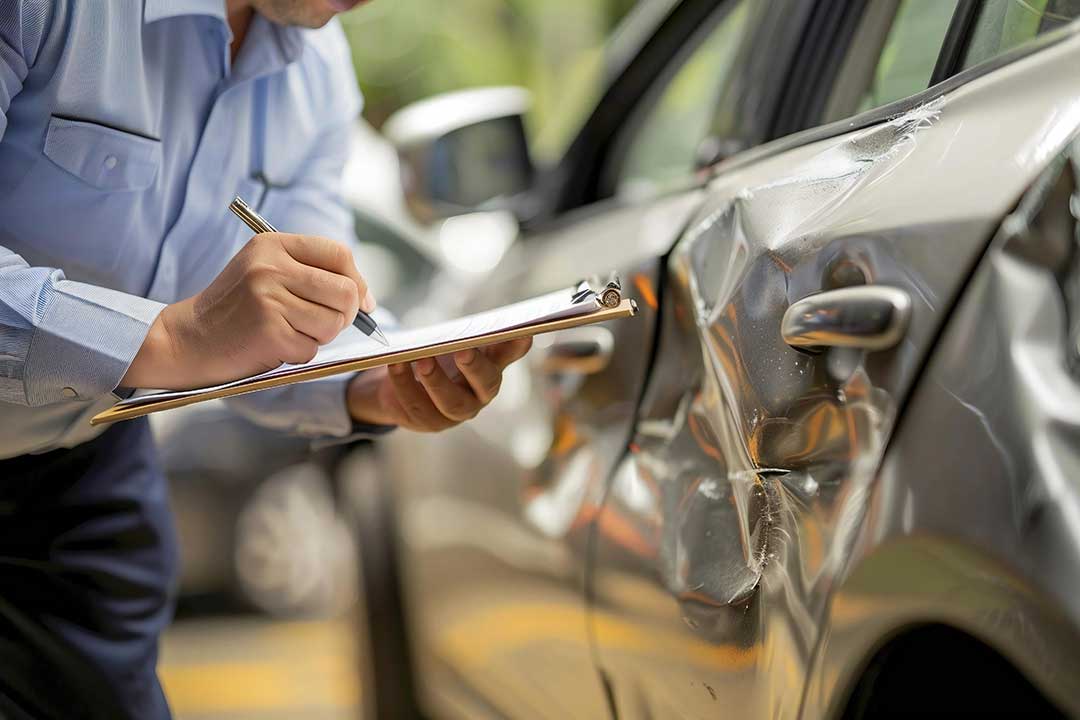
If the vehicle is totaled, collision coverage generally pays the vehicle’s actual cash value, minus the deductible and any applicable policy adjustments. Actual cash value is based on what the vehicle was worth immediately before the loss, taking factors such as age, mileage, condition, equipment, and local market values into account.
The amount originally paid for the vehicle does not necessarily determine the settlement. A newer vehicle may have depreciated, while an older vehicle in unusually good condition may be worth more than similar vehicles.
A remaining loan balance can also create a financial gap. If the vehicle is worth less than the amount owed, standard collision coverage generally pays according to the vehicle’s value, not the unpaid loan balance. Separate loan or lease gap protection may address that difference if it was purchased and applies to the loss.
How is a collision claim handled?
After a crash, safety comes first. Move away from traffic when possible, check for injuries, and follow any required emergency reporting procedures. Photographs of vehicle positions, roadway conditions, traffic signs, visible damage, and nearby property can help document what happened.
The claim process commonly includes:
1. Reporting the accident to the insurer.
2. Providing basic information about the vehicles, drivers, witnesses, and location.
3. Describing the damage and submitting photographs or other documentation.
4. Receiving an inspection or repair estimate.
5. Choosing an approved repair process under the policy terms.
6. Paying the collision deductible if repairs are covered.
7. Reviewing the settlement if the vehicle is considered a total loss.
A repair estimate is not always the final amount. Hidden damage may become visible after disassembly, especially when the vehicle has damage to its frame, suspension, sensors, or safety systems.
Do not assume that a repair shop’s estimate, a vehicle’s online listing price, or the amount owed on a loan is automatically the amount an insurer must pay. The policy and claim valuation process determine the applicable payment.
Is collision coverage worth carrying on an older vehicle?
The answer depends on the vehicle’s value, the cost of coverage, the deductible, and the household’s ability to repair or replace the vehicle without insurance.
Collision coverage may be less useful when a vehicle has a low market value and the potential claim payment would be small after subtracting the deductible. However, an older vehicle can still be essential for commuting, school, medical visits, and household responsibilities.
Before dropping coverage, consider:
- The vehicle’s current market value
- The annual cost of collision coverage
- The deductible amount
- Whether a lender requires the coverage
- Whether savings are available for a replacement vehicle
- Whether a serious crash would create transportation or financial hardship
Removing collision coverage also means accepting responsibility for damage to the vehicle when no other applicable coverage pays.
What should Little Rock drivers check in their policy?
Review the declarations page for the listed vehicle, collision limit, deductible, and any exclusions. Confirm whether the policy includes rental reimbursement, towing, loan or lease gap protection, and coverage for recently purchased or replacement vehicles.
Seasonal driving conditions can make careful policy review worthwhile. Heavy rain can reduce visibility and traction, while storm debris, flooding, and hail involve coverage questions that may fall outside collision protection. Understanding the difference before a loss occurs can prevent confusion during an already stressful claim.
The most useful question is not simply whether a vehicle has “full coverage.” That phrase has no single legal definition. Ask which specific coverages are included, what deductibles apply, and how the policy responds to collision damage, weather, theft, injuries, and damage caused to others.